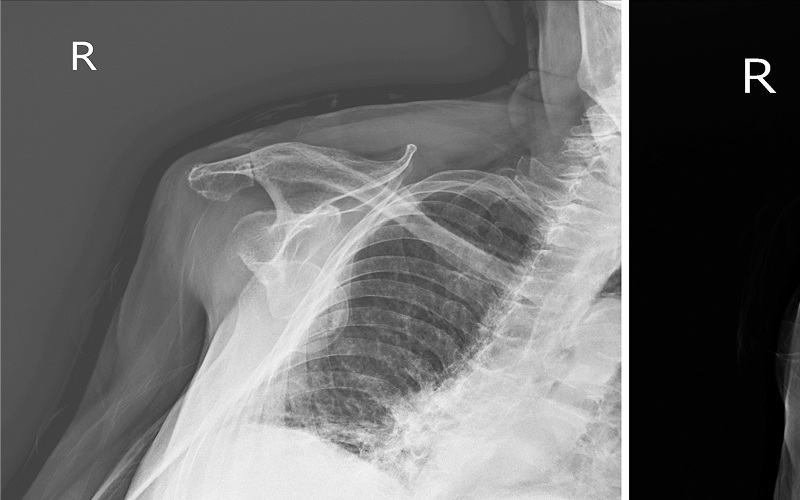
X-ray showing a clavicle fracture in an athlete.
Clavicle fractures are common in athletes involved in contact and high-impact sports. This article explores when sling treatment may be appropriate, when surgery may be considered, and how fracture displacement, shoulder mechanics, rehabilitation, and sporting demands influence recovery. It also explains key factors affecting return-to-sport timelines and long-term shoulder function following a broken collarbone injury.

Sport Blogs

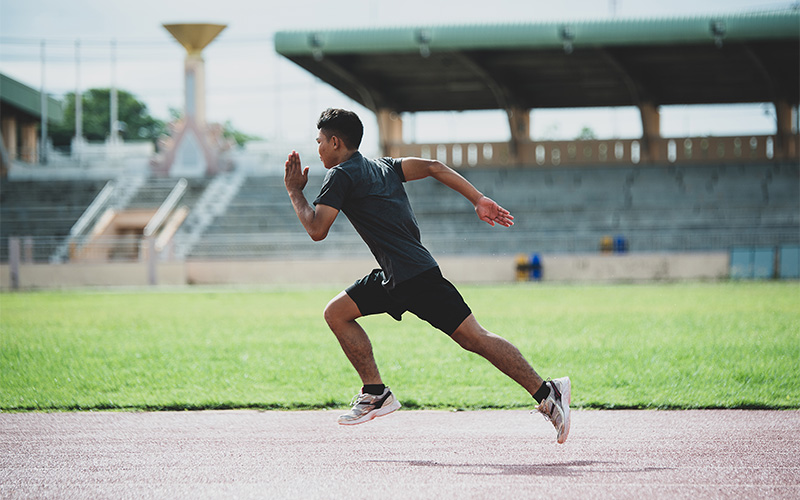
Persistent pain near the “sit bone” during running or prolonged sitting may be linked to proximal hamstring tendinopathy rather than simple muscle tightness. This article explores the symptoms, contributing biomechanical factors, and differences from sciatica, while outlining how tendon overload develops over time and what recovery and rehabilitation may involve for runners experiencing ongoing deep buttock pain.
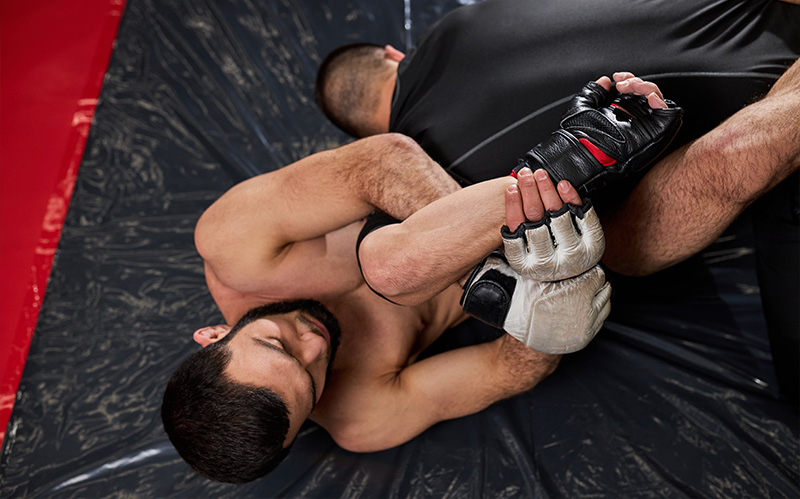
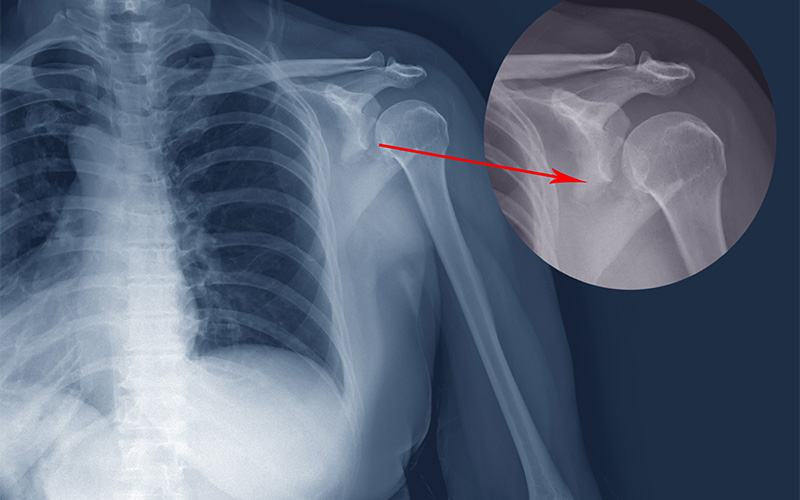
Calcium deposits in the shoulder can lead to sudden pain or gradual discomfort, depending on the stage of progression. This article explains how calcific tendinitis develops, why many cases improve without surgery, and when procedures such as barbotage or arthroscopic removal may be considered, based on symptom persistence, functional limitation, and response to initial conservative treatment.
A labral tear can affect both the shoulder and the hips, often starting with subtle symptoms that are easy to overlook. From deep joint pain to clicking or instability, these signs may point to changes within the joint rather than muscle strain. Understanding how these symptoms behave can help determine when further assessment may be required.