

Key Takeaways
- A broken clavicle is common in contact and high-impact sports, particularly after falls, collisions, or direct blows to the shoulder.
- Non-surgical management with a sling is often appropriate for minimally displaced fractures, though significantly displaced injuries may carry a higher risk of altered healing or nonunion (failure to heal) of the clavicle.
- ORIF clavicle surgery may be considered in athletes with unstable or shortened fractures where shoulder mechanics and return-to-sport demands are important considerations.
- Full recovery extends beyond bone healing alone. Rehabilitation focused on shoulder mobility, scapular control, and progressive strengthening plays an important role in restoring long-term function and reducing the risk of reinjury.
Introduction
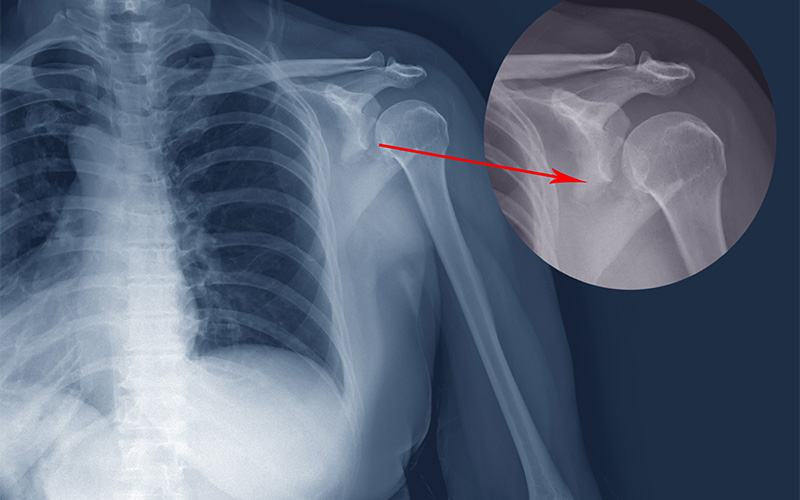
A broken collarbone or clavicle is a common injury in contact and high-impact sports. Rugby tackles, cycling crashes, falls during snowboarding, or heavy impacts to the shoulder can deliver sudden force to the clavicle, causing it to fracture.
For athletes, the concern often goes beyond whether the bone will heal. Questions usually centre around shoulder strength, recovery timelines, and whether movement or performance may be affected after returning to sport. A recreational runner and a competitive rugby player may sustain a similar injury, yet the demands placed on their shoulders during recovery can be very different.
This is why management decisions are not always straightforward. While many fractures heal without surgery, certain injury patterns may affect shoulder stability, alignment, or long-term mechanics. In athletes, a collarbone fracture can affect rehabilitation progress, tolerance to shoulder loading, and return-to-play decisions long after the initial injury has settled.
Understanding Clavicle Fractures in Sport
The clavicle acts as a supportive bridge between the breastbone and the shoulder blade. It plays an important role in stabilising the shoulder and allowing force to transfer efficiently through the arm during movement.
In athletes, fractures most commonly occur through the middle portion of the clavicle. This area is naturally narrower and tends to absorb significant stress during high-impact injuries.
A heavy rugby tackle, a cycling crash, or a fall onto an outstretched arm can apply sudden force to the shoulder girdle, causing the bone to crack or break. In more severe injuries, the fractured ends may shift out of alignment due to muscle pull around the shoulder.
Not all clavicle fractures present in the same way. Some remain stable and relatively well aligned, while others become displaced, shortened, or fragmented into multiple pieces. These differences often influence both healing behaviour and overall management decisions.
Factors commonly assessed include:
- Degree of fracture displacement
- Amount of shortening
- Presence of multiple fracture fragments
- Skin tenting over the fracture site
- Dominant arm involvement
- Sporting and training demands
For example, a minimally displaced fracture in a recreational athlete may heal well with sling immobilisation and rehabilitation. A more unstable injury in a collision-sport athlete may raise additional concerns regarding shoulder endurance, power generation, or healing progression.
An assessment by an orthopaedic specialist can help determine whether fracture alignment remains acceptable and whether shoulder mechanics are likely to be affected during recovery. For this reason, clavicle fracture treatment is not solely determined by imaging findings. Instead, the athlete’s sport, movement demands, fracture stability, and return-to-play goals all contribute to the overall management approach.
Sling Treatment: When Non-Surgical Management May Be Appropriate
Many clavicle fractures can heal without surgery, particularly when the fractured bone remains relatively well aligned and stable.
Non-surgical management typically involves:
- Sling immobilisation
- Pain management
- Gradual restoration of shoulder movement
- Structured rehabilitation
The sling is usually worn for several weeks to reduce stress on the fracture site while early healing occurs. During this period, pain often settles gradually as the bone begins to stabilise.
For minimally displaced injuries, this approach may allow a broken clavicle to heal predictably without the additional considerations associated with surgery.
One of the main advantages of conservative management is avoiding surgical risks such as wound complications, infection, or irritation from implants. However, decision-making becomes more complex when fractures are significantly displaced or shortened.
In some cases, the bone may heal in a slightly altered position. Sedentary individuals may function well despite this, but athletes who rely heavily on shoulder endurance, upper-limb power, or repetitive overhead movements may notice ongoing limitations during higher-demand activities.
Potential concerns following non-operative management of displaced fractures include:
- Reduced shoulder endurance
- Residual weakness
- Visible prominence over the collarbone
- Malunion, where the bone heals in an altered position
- Nonunion, where the fracture does not fully heal
A nonunion does not always cause symptoms, but persistent instability at the fracture site may lead to discomfort with lifting, pushing, contact activities, or overhead movements.
Recovery timelines can also vary considerably. Even after the bone has healed, athletes often require additional time to rebuild confidence, shoulder mobility, strength, and sport-specific conditioning.
For contact sports, return to play may take around three to four months, depending on fracture healing, rehabilitation progress, and shoulder function. For many athletes, this aspect of clavicle fracture recovery time becomes one of the main considerations when deciding between sling management and surgery.
Surgical Fixation: When Is Surgery Considered?
Surgery is more commonly considered when a clavicle fracture is unstable, significantly displaced, or unlikely to heal well with conservative care alone.
Situations where operative treatment may be discussed include:
- Complete displacement of the fracture fragments
- Significant shortening of the clavicle
- Comminuted fractures involving multiple bone fragments
- Skin tenting over the fracture site
- Open fractures
- Symptomatic nonunion
- High sporting or functional demands
The most commonly performed procedure is ORIF clavicle surgery, which stands for open reduction and internal fixation. During surgery, the fractured bone ends are repositioned and stabilised using plates and screws or intramedullary devices. The aim is to restore clavicle alignment and maintain stability while healing takes place.
One reason surgery is often considered in athletes is the possibility of earlier functional rehabilitation. Stable fixation may allow shoulder movement and progressive strengthening to begin sooner compared to some displaced fractures managed with a sling alone.
For athletes recovering from a broken clavicle, this may be particularly relevant in sports where shoulder loading, upper limb power, or contact exposure plays a major role in performance.
That said, surgery does not eliminate the recovery process. Bone healing still takes time, and rehabilitation remains an important part of restoring movement, strength, and shoulder control.
Potential surgical risks include:
- Infection
- Nerve irritation
- Scar sensitivity
- Prominent hardware beneath the skin
- Discomfort during contact activity
- Need for later implant removal
Hardware irritation can be more noticeable in lean athletes or those involved in collision sports, where direct impact or equipment may repeatedly apply pressure to the clavicle.
Even so, surgical fixation may offer biomechanical advantages in selected fractures in which significant displacement or shortening could otherwise compromise long-term shoulder function.
In some athletes, return to training may begin earlier following surgical stabilisation, with progression towards sport occurring anywhere between six and twelve weeks, depending on fracture healing, rehabilitation progress, and sporting demands.
For competitive athletes deciding between sling management and surgery, evaluation by an ortho specialist in Singapore often involves balancing fracture stability with the physical demands and recovery expectations of their sport.
Why Sport Demands Matter in Decision-Making
The same clavicle fracture may be managed very differently depending on the athlete involved and the physical demands placed on the shoulder during sport.
A recreational cyclist and a professional rugby player may sustain a similar fracture pattern, yet the expectations surrounding recovery, shoulder stability, and return to play are often very different. This is one reason treatment decisions extend beyond imaging findings alone.
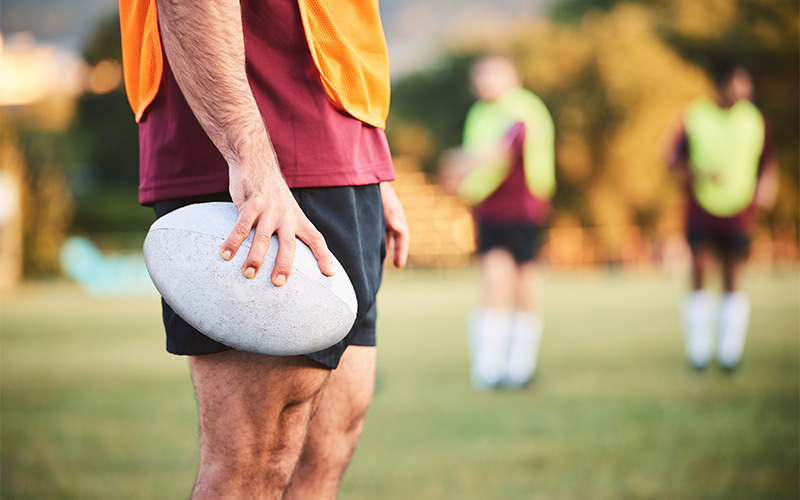
Athletes involved in collision sports typically require shoulders that can withstand repeated impacts and heavy loading. In rugby, hockey, martial arts, and combat sports, stability becomes particularly important because direct contact is difficult to avoid.
Overhead athletes face a different set of challenges. Swimmers, tennis players, volleyball players, and baseball athletes rely heavily on shoulder mobility, endurance, and coordinated scapular movement to generate force efficiently through the upper limb.
Even relatively small changes in clavicle alignment can influence how force is transferred across the shoulder during repetitive overhead activity.
In cases involving significant shortening, some athletes may develop:
- Altered shoulder positioning
- Scapular fatigue
- Reduced endurance
- Difficulty generating force efficiently
This does not automatically mean surgery is required. However, it helps explain why fracture displacement and alignment are often interpreted differently in high-demand athletes compared to less active individuals.
Age can also influence decision-making. Adolescents generally have strong healing potential, and many clavicle fractures heal well without surgery. Even so, severe displacement or shortening may still affect management discussions, particularly when long-term sporting participation or shoulder mechanics are concerns.
A detailed assessment often considers:
- Fracture stability
- Degree of displacement
- Sport-specific movement demands
- Dominant arm involvement
- Timing within the competitive season
- Previous shoulder injuries
Together, these factors help shape the decision between conservative care and operative stabilisation.
In higher-demand athletes, particularly those returning to collision or overhead sports, a sports injury doctor may also assess whether fracture alignment could affect long-term shoulder mechanics, endurance, or return-to-play progression.
Recovery Is More Than Bone Healing Alone
One aspect of clavicle fractures that is often overlooked is the difference between fracture healing on imaging and actual functional recovery. A broken clavicle may show signs of bone union within six to eight weeks, but returning to sport involves far more than the fracture simply healing on an X-ray.
After a period of immobilisation, athletes commonly experience:
- Shoulder stiffness
- Scapular weakness
- Reduced overhead endurance
- Altered movement patterns
- General muscle deconditioning
This is why rehabilitation remains an important part of recovery, regardless of whether the fracture was treated with a sling or surgery.
Rehabilitation is usually introduced in stages, with each phase focusing on:
Restoring Shoulder Mobility
Early rehabilitation often focuses on gradually restoring shoulder movement while still protecting the healing fracture site. After several weeks in a sling, stiffness commonly develops around the shoulder, chest, and upper back. Gentle mobility work helps improve joint movement, reduce guarding patterns, and prepare the shoulder for later strengthening phases without placing excessive stress on the fracture too early.
Rebuilding Scapular Control
The scapula plays an important role in shoulder stability and efficient force transfer during movement. Following a clavicle fracture, athletes may unconsciously alter how the shoulder blade moves in order to avoid discomfort. Even after the bone has healed, weakness or poor scapular coordination can persist, contributing to fatigue, reduced overhead control, or inefficient movement mechanics during sport.
Progressive Strengthening
Strengthening is usually introduced gradually as healing progresses. Early exercises often target basic shoulder activation and control before progressing to heavier loading and more dynamic movements. The aim is not simply to rebuild strength, but also to restore endurance, stability, and confidence through the shoulder girdle without overloading healing structures prematurely.
Sport-Specific Reintegration
As recovery progresses, rehabilitation increasingly reflects the physical demands of the athlete’s sport. This stage may involve tackling drills, overhead throwing, swimming movements, weight-bearing exercises, sprint mechanics, or controlled impact exposure, depending on the sport. The goal is to help the athlete regain movement patterns, reaction control, and shoulder tolerance required for safe return to training and competition.
Looking Beyond the Initial Injury
Early assessment can help clarify whether a clavicle fracture is likely to heal predictably with conservative care or whether displacement and instability may affect long-term shoulder function.
In athletes, recovery involves more than waiting for the bone to heal. Shoulder mechanics, training demands, impact exposure, and return-to-play expectations all influence how the injury is managed and how rehabilitation progresses over time. This is particularly relevant after a broken clavicle, where even subtle changes in alignment may affect shoulder loading and movement during sport.
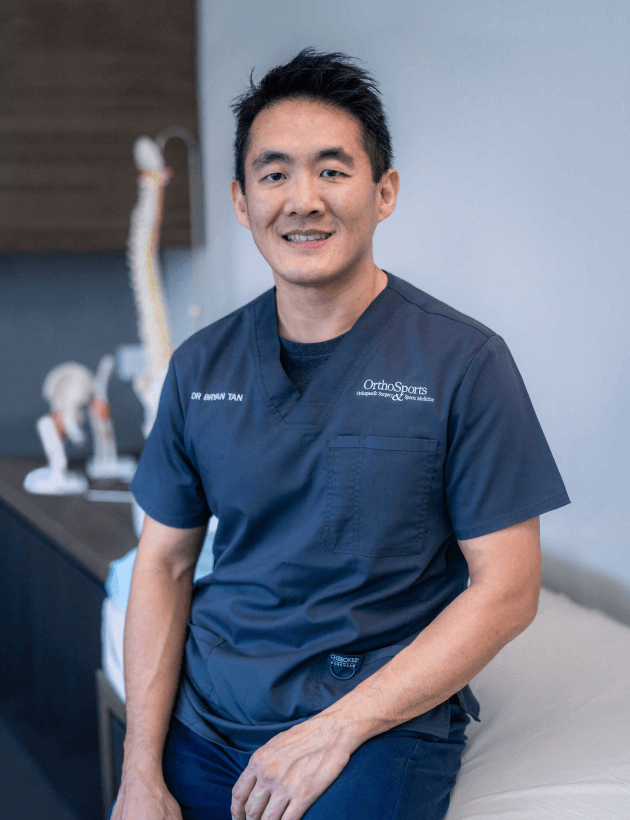
Dr Bryan Tan is a fellowship-trained orthopaedic surgeon in Singapore with experience managing sports-related shoulder injuries and fractures. His clinical approach focuses on understanding the injury pattern, assessing functional demands, and aligning treatment recommendations with each individual’s recovery goals and activity level.
If you continue to experience pain, deformity, weakness, or difficulty returning to training after a clavicle injury, arrange an assessment with Dr Bryan Tan to understand the nature of the fracture and the management options available.


 Dr Bryan Tan