


Introduction
Rotator cuff injuries are a common cause of shoulder pain, particularly in people who engage in regular physical activity or perform repetitive overhead movements. Athletes, fitness enthusiasts, and manual workers are often more susceptible, as repeated strain over time can weaken the shoulder tendon and increase its vulnerability to injury.
A torn rotator cuff can have a significant impact on daily life. Tasks such as lifting, carrying, or reaching can become uncomfortable, and ongoing stiffness or weakness may limit movement and affect independence. While surgical repair aims to restore function and relieve pain, larger or long-standing tears may not always heal completely, which can increase the chance of recurrence.
Patch augmentation is an additional technique sometimes used during rotator cuff repair to reinforce the tendon. A supportive biomaterial is placed over the repaired area to share some of the load during healing and encourage tissue recovery. This can help reduce strain on the tendon and support shoulder strength during rehabilitation.
This article explains how patch augmentation works, when it might be considered, and how it supports recovery after a shoulder tendon tear. It also outlines its role within arthroscopic shoulder surgery and the broader process of shoulder rehabilitation.
Key Takeaways:
- Patch augmentation provides additional support to the repaired tendon, helping reduce stress during healing and improve overall tissue stability.
- The technique is often considered for larger or recurring tears, or in cases where tendon quality has been weakened by age or previous injury.
- A gradual and structured rehabilitation programme remains essential after surgery to restore movement, strength, and everyday function in the shoulder.
- Speaking with a shoulder specialist can help you understand the potential benefits, limitations, and suitability of patch augmentation for your specific condition.

What Is Patch Augmentation?
Patch augmentation is a surgical technique used to support healing during rotator cuff repair. It involves placing a biological or synthetic patch over the repaired tendon to provide mechanical reinforcement and stability. The patch helps protect the healing tendon from excessive strain, which may otherwise lead to re-tearing or a slower recovery process.
Beyond mechanical support, the patch also acts as a scaffold that encourages tissue regeneration. It promotes cell growth and collagen production, both of which are essential for long-term healing and structural integrity.
There are two main types of patches used in arthroscopic shoulder surgery:
- Biological patches: Derived from human or animal tissue, these integrate with the body’s natural structures to support new tendon growth and healing.
- Synthetic patches: Made from medical-grade materials, these are designed to strengthen the repair site and enhance the durability of the reconstructed tendon.
Patch augmentation is often considered for individuals with severe or recurrent shoulder tendon tears, where the tendon quality may be compromised or the risk of re-tear is higher. As part of a comprehensive approach to rotator cuff repair, it can help stabilise the tendon during recovery and promote consistent healing over time.

How Patch Augmentation Improves Rotator Cuff Repair Outcomes
Patch augmentation supports recovery in several ways, addressing both the biological healing process and the mechanical stability of the repaired tendon during rotator cuff repair.
- Enhances Tendon Healing: The patch integrates with the surrounding tendon tissue, creating a scaffold that supports the gradual regeneration of tissue and collagen formation.
- Reduces Re-tear Rates: Larger or complex tears have a higher chance of recurring after surgery. The reinforcement provided by the patch helps lower this risk and contributes to a more stable repair.
- Improves Biomechanical Strength: By distributing the load more evenly across the tendon, the patch helps maintain structural integrity and reduces the likelihood of strain-related injury.
- Reduces Post-Surgical Discomfort: With less tension and inflammation at the repair site, patients may experience milder symptoms during recovery and rehabilitation.
- Facilitates Functional Recovery: The added tendon support enables a gradual and stable return to daily activities compared to conventional repair methods.
Clinical research indicates that patch-augmented rotator cuff repair can help maintain tendon structure and shoulder function over time. These findings underscore the importance of reinforcement techniques in promoting long-term tendon healing and maintaining mechanical stability.
Who Can Benefit from Patch-Augmented Rotator Cuff Repair?
Not every patient with a tendon tear will require patch augmentation. However, this technique may be considered in cases where the tendon requires added support to heal properly or where there is an increased risk of re-tear.
- Individuals with Large or Chronic Tears: When a tendon tear is extensive or has been left untreated for an extended period, the tissue can become thin, stiff, or retracted from the bone. These factors make it harder for traditional repair methods to achieve a strong reattachment. The addition of a patch helps reinforce the repair and provides mechanical stability as the tendon gradually heals.
- Patients with Previous Failed Surgery: If a prior rotator cuff repair has not fully healed or the tendon has re-torn, patch augmentation can be used in revision surgery to provide extra reinforcement. The patch supports the weakened tissue, helping the new repair hold more securely and improving the conditions for healing in areas affected by scar tissue or reduced blood flow.
- Athletes and Active Individuals: Individuals involved in physically demanding sports or occupations often experience significant stress on their shoulders, particularly through repetitive or forceful movements. Patch augmentation provides structural reinforcement for the tendon, enabling it to withstand higher loads during rehabilitation and daily activities. This approach can support a gradual and safe return to sport or work.
- Older Adults with Degenerative Tendons: As people age, tendon tissue often becomes thinner and less elastic, which can limit its ability to recover after injury. For older adults with these changes, patch augmentation can serve as an added layer of protection for the repaired tendon, helping to maintain stability and support gradual, sustained healing.
- Patients Requiring Additional Reinforcement: In cases of complex or high-risk tears, such as those involving multiple tendons or poor tissue quality, patch augmentation can provide valuable reinforcement. The patch helps distribute tension evenly across the repair site, reducing stress on vulnerable areas and promoting consistent tissue integration. This additional support can be instrumental in maintaining shoulder function during recovery and in the long term.
By providing mechanical reinforcement and supporting tissue repair, patch augmentation continues to evolve as a promising treatment option for rotator cuff injuries.

The Rotator Cuff Repair Process with Patch Augmentation: What to Expect During Surgery
Before undergoing rotator cuff repair, patients typically go through a thorough evaluation to confirm the extent of the tendon tear and plan an appropriate surgical approach.
- Pre-Surgical Evaluation: The process typically begins with a consultation with a specialist, who reviews the patient’s symptoms, medical history, and activity level. Imaging studies, such as MRI or ultrasound, help determine the size of the tear, the condition of the tendon, and whether other surrounding structures are affected.
- Surgical Procedure: The procedure is most often performed through arthroscopic shoulder surgery, which involves making small incisions and using a camera to view and treat the affected area. During surgery, the torn tendon is reattached to the bone using sutures and small anchors. A biological or synthetic patch is then placed over the repaired tendon to reinforce its strength and support the healing process. The operation generally takes one to two hours, depending on the severity and complexity of the tear.
- Anaesthesia: Surgery is performed under general anaesthesia or a regional nerve block, which helps ensure comfort and allows the surgeon to work precisely without causing pain during the procedure.
- Hospital Stay: Many patients are able to return home on the same day; however, some may stay overnight for observation, particularly if the tear is extensive or if other health factors require monitoring.
The goal of patch-augmented rotator cuff repair is to provide additional tendon support during the healing phase, helping to maintain repair stability while reducing stress on the recovering tissue.
Recovery and Rehabilitation
Recovery after rotator cuff repair with patch augmentation is a gradual process that aims to protect the healing tendon and restore shoulder function over time. The length of recovery can vary depending on the size of the tear, the quality of the tendon, and the individual’s healing response.
- First Few Weeks: The arm is typically supported in a sling for four to six weeks to minimise stress on the repaired tendon. Pain and swelling are managed through prescribed medication, rest, and the use of cold therapy to reduce inflammation.
- Physiotherapy Timeline:
- Weeks 1 to 4: During the early recovery phase, the focus is on protecting the repaired tendon while maintaining gentle shoulder movement. Under the guidance of a physiotherapist, patients typically start with passive range-of-motion exercises, where the arm is gently moved without engaging the shoulder muscles. These movements help prevent stiffness, maintain joint flexibility, and promote healthy circulation to the healing tissue.
- Weeks 4 to 8: As the tendon begins to heal and gain stability, active-assisted exercises are introduced. At this stage, the patient begins to use their shoulder muscles gradually, assisted by the unaffected arm or supportive equipment. The aim is to restore mobility in a controlled manner, without placing too much stress on the repair site. Consistency and correct technique are essential to avoid overloading the tendon.
- Weeks 8 to 12: Once the tendon shows sufficient healing and strength, physiotherapy progresses to active and strengthening exercises. These target the shoulder’s supporting muscles, such as the rotator cuff, deltoid, and scapular stabilisers. Resistance bands or light weights may be incorporated to improve endurance and coordination. The goal is to rebuild shoulder stability and function progressively, allowing for a safe return to regular activities.
Please note that rehabilitation timelines are indicative only. Actual recovery duration and progression may differ between individuals and should always be guided by clinical assessment and professional advice.
- Return to Daily Activities: Most individuals can resume light activities after about three months, while complete recovery and return to full function generally occur within six to nine months. Consistent participation in a structured rehabilitation programme is essential for regaining shoulder strength and flexibility.
- Long-Term Considerations: Clinical studies have shown that patch-augmented rotator cuff repair can help maintain tendon integrity and reduce the likelihood of re-tear when combined with proper post-surgical rehabilitation. Over time, this structured approach supports steady functional recovery and long-term shoulder stability.
Questions You Might Have
1. Is Patch Augmentation Safe?
Patch augmentation is generally regarded as a safe and established technique used in rotator cuff repair. When performed as part of arthroscopic shoulder surgery by a trained specialist, the likelihood of complications is low. As with any surgical procedure, choosing a qualified orthopaedic specialist in Singapore ensures that the assessment, technique, and follow-up care are appropriately managed.
2. What Are the Risks?
While uncommon, potential risks associated with patch-augmented rotator cuff repair include infection, shoulder stiffness, or incomplete integration of the patch with the tendon. These complications can usually be minimised through proper surgical planning, adherence to sterile technique, and close post-operative monitoring by the orthopaedic doctor.
3. How Does It Compare to Traditional Rotator Cuff Repair?
Compared with conventional repair methods, patch augmentation provides additional reinforcement for weakened or retracted tendons. This approach is often considered when the risk of re-tear is higher, such as in large or complex injuries. It can also be beneficial for individuals who have previously undergone rotator cuff repair and require a secondary procedure to improve tendon stability.
4. Will Insurance Cover Patch-Augmented Rotator Cuff Repair?
Insurance coverage for patch-augmented rotator cuff repair depends on the healthcare provider and specific policy terms. It is best to confirm details with your insurer and consult a sports orthopaedic professional who can advise on eligibility, medical documentation, and claim submission for your procedure.
Conclusion
Patch augmentation is an additional technique used in rotator cuff repair to reinforce the repaired tendon and support the healing process. It is often considered for larger, recurrent, or degenerative shoulder tendon tears, where the likelihood of re-tear may be higher with standard repair alone.
By supporting tissue recovery and helping to stabilise the tendon, patch augmentation can assist patients in regaining shoulder mobility and function. When combined with a structured rehabilitation plan, it contributes to steadier long-term recovery and shoulder stability. If you are considering treatment options or want to understand whether patch augmentation is suitable for your condition, consulting a qualified specialist can provide clear guidance.
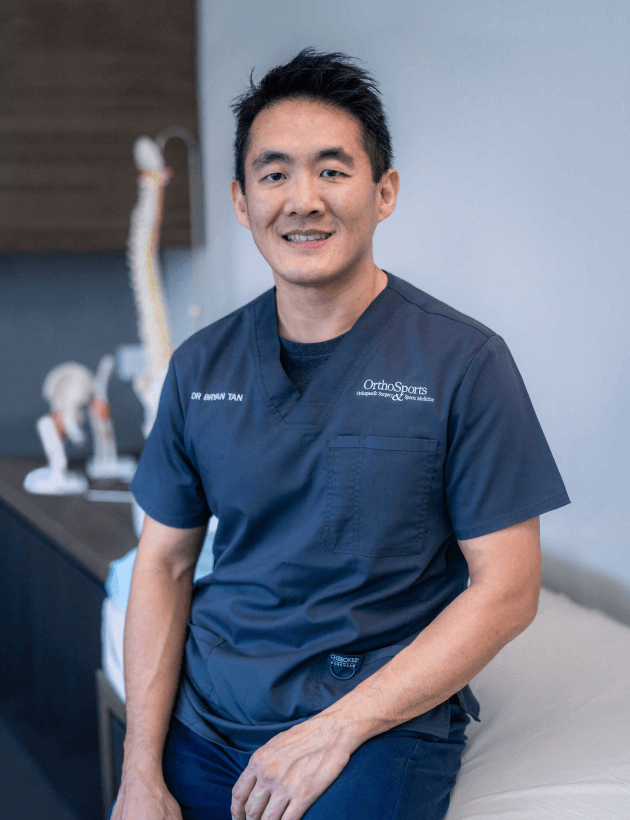
Dr Bryan Tan, an orthopaedic surgeon in Singapore, offers care for shoulder and sports-related conditions, including rotator cuff repair with patch augmentation. Contact Dr Tan to discuss your symptoms and learn more about available treatment approaches.


 Dr Bryan Tan