

Key Takeaways
- A shoulder dislocation can lead to chronic instability when supporting structures fail to fully recover.
- Recurrent episodes often reflect progressive structural changes rather than isolated events.
- Surgical decisions are based on instability patterns, functional impact, and imaging findings.
- Different procedures address different causes, particularly soft tissue injury versus bone loss.
- Recovery is guided by rehabilitation phases rather than a fixed timeline.
Shoulder Dislocation: When Does Surgery Become Necessary?
A shoulder dislocation is often treated as an isolated incident, especially during its initial occurrence. The joint is reduced, symptoms subside, and movement gradually returns. Outwardly, the issue may appear resolved.
However, what is often overlooked is the lasting effects of the first dislocation.
The shoulder is inherently a mobile joint. Its great range of motion relies on a delicate balance of soft-tissue restraint and muscular control, rather than on deep bony stability. When a dislocation occurs, this balance can be disrupted. Even after the joint is reduced, the structures responsible for maintaining its central position may no longer function optimally.
This explains why some individuals recover without further complications, while others develop recurrent instability. The crucial distinction often lies in the joint’s ability to maintain stability under load, not merely at rest.
With recurrent instability, the clinical question evolves. It moves beyond simply treating an injury to assessing whether the joint can function reliably without further intervention.
Why Some Shoulders Continue to Dislocate
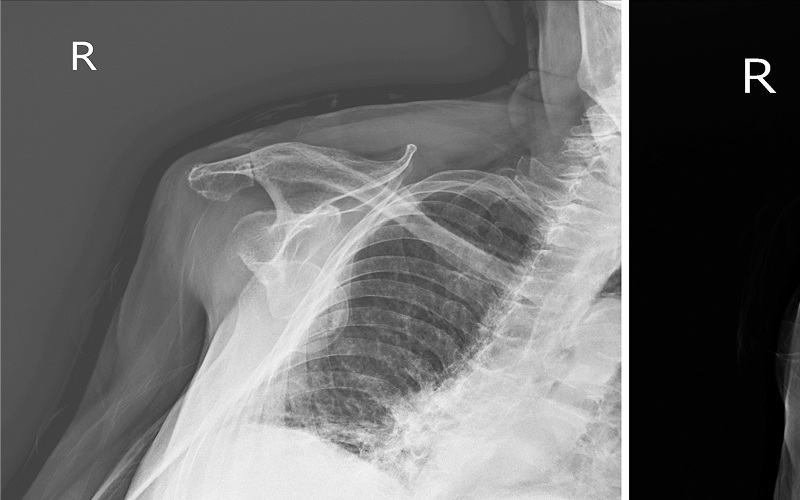
Following an initial dislocation, several structures can be affected simultaneously. The labrum, which deepens the socket, may detach. The joint capsule can stretch beyond its normal limits. Ligaments that once provided passive restraint may also lose tension.
Bony injuries can occur as well. The rim of the socket may be fractured or damaged, reducing the amount of bone available to contain the humeral head. The humeral head itself can also develop an indentation where it impacts the edge of the socket during dislocation. Together, these soft tissue and bony injuries can reduce the structural stability of the joint and make subsequent dislocations more likely.
In a stable shoulder, the ball remains centred in the socket even as the arm moves through a wide range of motion. In an unstable shoulder, however, this centring mechanism becomes less reliable. The ball may shift during certain positions, particularly those involving rotation or overhead activity.
This is often how recurrent shoulder dislocation develops. It does not always begin with another dramatic injury. Some people first notice smaller episodes of slipping or partial dislocation, known as subluxation, as the amount of force required to destabilise the joint gradually decreases.
Each subsequent episode can then worsen the underlying damage. An existing labral tear may extend, the capsule can become increasingly lax, and bone loss from the socket or humeral head may become more pronounced. As these structural changes accumulate, the shoulder can become progressively easier to dislocate and more complex to stabilise.
These changes are also important when planning treatment. An orthopaedic shoulder specialist can assess whether the instability is primarily related to soft tissue damage, bone loss, or a combination of both, as this can influence which treatment approach may be considered.
The Turning Point: When Instability Starts Affecting Function
Surgery rarely becomes necessary at a single, definitive moment. Instead, there is typically a transition point where instability begins to consistently and restrictively affect function. This might manifest as hesitation during movement, an avoidance of certain positions, or a loss of confidence when loading the shoulder, even during simple activities like reaching or lifting.
At this stage, the issue transcends mere structural damage and becomes primarily functional. Several key considerations typically inform discussions around surgical stabilisation:
- Frequency of instability: Repeated dislocations or subluxations suggest the joint cannot maintain stability under normal demands. The more frequently these occur, the less likely it is that rehabilitation alone will resolve the issue.
- Type of instability event: A shoulder that dislocates during high-impact activity differs from one that slips during everyday movement; the latter often indicates a lower threshold for instability.
- Functional demands: Athletes, particularly those involved in contact or overhead sports, place greater stress on the shoulder. In these cases, even mild instability may not be sustainable over the long term.
- Structural findings: Imaging provides crucial insights. A labral tear, such as a Bankart lesion, suggests disruption of the socket’s stabilising rim. Bone loss of the glenoid or humeral head also alters joint engagement, increasing the likelihood of recurrence.
When a Bankart lesion repair is considered, it reflects an attempt to restore the lost structural support, rather than merely managing symptoms.
Choosing the Surgical Approach: Tailoring the Procedure to the Problem
A key consideration in shoulder instability is that treatment must be individualised; not all cases should be approached in the same manner. The decision is not just whether to operate, but what exactly needs to be corrected. An orthopaedic specialist’s assessment is therefore crucial, as identifying the primary cause of instability dictates the choice of procedure.
Arthroscopic Stabilisation
For instability primarily caused by soft-tissue injury, arthroscopic repair is often the preferred approach. Through small incisions, the labrum is reattached, and the capsule may be tightened. The aim is to restore the anatomical restraints compromised during the initial dislocation.
This approach, however, assumes the underlying bone structure is adequate. If the socket has lost its contour or depth, restoring soft tissue alone may not fully address the instability. Careful patient selection is therefore crucial when arthroscopic techniques are utilised for shoulder instability.
Bone-Based Procedures
When bone loss is significant, the joint’s mechanics are fundamentally altered. In such cases, procedures like the Latarjet may be indicated. By transferring a piece of bone to the front of the socket, the procedure increases the surface area available to stabilise the joint and creates a dynamic sling effect from the surrounding muscles.
This approach does not merely repair the previous injury; instead, it fundamentally alters the shoulder’s stability profile. This distinction is crucial to understand, as treating a bone-deficient shoulder with a soft-tissue repair alone may not prevent recurrence, even if the surgery is technically successful.
When Non-Surgical Management May Be Appropriate
While surgery often takes centre stage, non-surgical approaches remain relevant, particularly in the earlier stages of instability.
Following a first-time shoulder dislocation, structured rehabilitation can help restore strength and coordination around the joint. The rotator cuff and surrounding muscles act as dynamic stabilisers, helping to keep the joint centred during movement. For some individuals, especially those with lower activity demands, this may be sufficient to return to normal function without further episodes.
It is important to remember, however, that rehabilitation improves control rather than reversing structural damage.
A practical measure of success is how stable the shoulder feels during real-world use, not just during controlled exercises. If instability occurs only under higher stress, such as during sport-specific movements, rehabilitation may still play a meaningful role.
When the shoulder slips during everyday activities, necessitates consciously avoiding certain positions, or continues to dislocate despite strengthening, this often indicates that the underlying structural deficit can no longer be effectively compensated for.
At this point, the role of non-surgical care becomes more limited. While it can still help manage symptoms and maintain strength, it is less likely to prevent recurrence on its own.
Recovery After Stabilisation: What Actually Changes
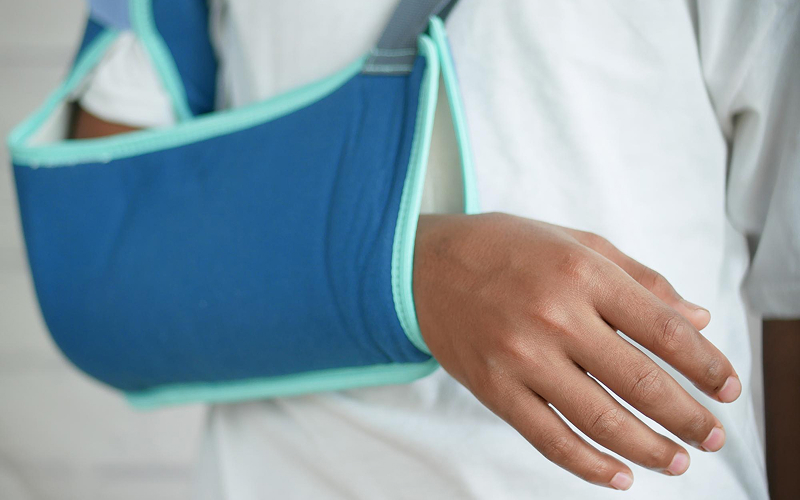
Recovery time for shoulder dislocations is often simplified to a mere number of months. In reality, recovery is better understood as a progressive process involving tissue healing and functional restoration.
In the early phase, the focus remains on protecting the repair. Movement is restricted to allow the labrum or transferred bone to integrate with surrounding structures. As healing progresses, controlled movement is introduced. This involves not only regaining range but also restoring coordinated motion without placing excessive stress on the repaired area.
Strengthening then follows, with emphasis on the rotator cuff and scapular muscles. These muscles help maintain stability during dynamic movement, particularly in positions that previously triggered instability. Return to activity is gradual, with high-demand movements reintroduced only once strength, control, and joint confidence have been re-established.
While the timeline varies, the underlying principle remains consistent: stability must be rebuilt in stages, not rushed. Throughout this process, follow-up with a shoulder pain specialist helps guide progression, ensuring controlled advancement without overloading the healing structures too early.
Why Early Assessment Can Change the Outcome
Repeated shoulder instability is more than just an inconvenience; it can significantly impact the long-term health of the joint. Each dislocation carries the potential for further soft tissue damage or bone loss, which, over time, may lead to cartilage wear and early degenerative changes. While surgery is not always necessary, persistent symptoms highlight the increasing importance of understanding the root cause of the instability.
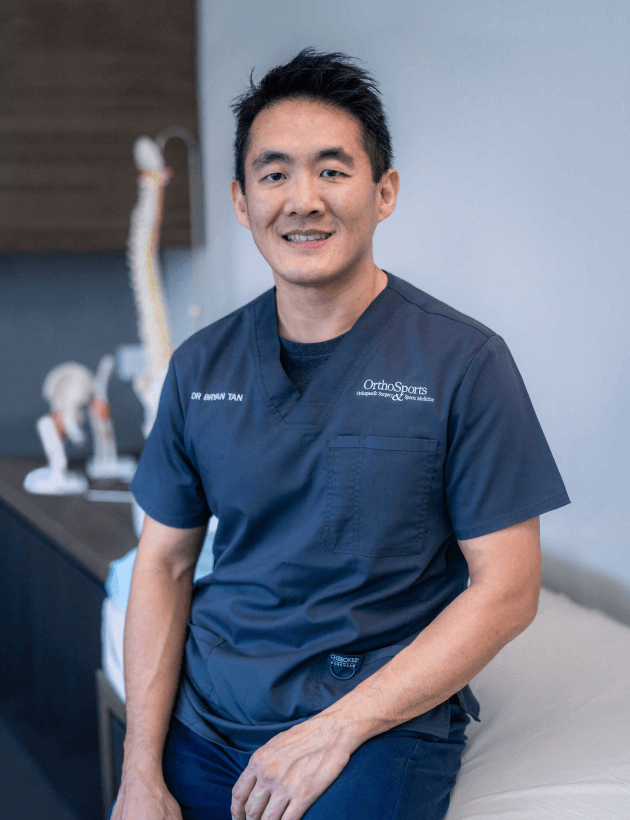
Dr Bryan Tan is a fellowship-trained orthopaedic surgeon who manages shoulder conditions, including instability and dislocation. His approach focuses on identifying the underlying structural factors and aligning management with the individual’s functional needs.
If your shoulder continues to slip, feels unstable during movement, or limits your ability to return to activity, consider arranging a consultation. This will help you better understand what is contributing to the instability and explore appropriate treatment options.


 Dr Bryan Tan