


Introduction
The clavicle, or collarbone, forms an important connection between the shoulder blade and the sternum. It helps position the shoulder correctly, supports arm movement, and allows force to transfer smoothly through the upper body. When a fracture occurs, the effects can extend beyond the immediate injury and influence how the shoulder functions over time.
Clavicle fractures often result from falls, direct impact to the shoulder, sports injuries, or road accidents. Many cases recover with rest and immobilisation, while others may require surgical stabilisation. Healing outcomes can differ between individuals. Factors such as alignment, fracture pattern, and recovery pace may contribute to ongoing changes in shoulder strength or movement.
Some people may notice stiffness, reduced upper body mobility, or altered movement patterns even after the bone has healed. These changes can influence posture and may affect how the shoulder performs during daily activities.
This guide explores the long-term impact of clavicle fractures on shoulder function, possible complications, and the role of rehabilitation in supporting strength, mobility, and overall comfort.
Key Takeaways:
- The impact of clavicle fractures on shoulder strength, posture, and movement can continue even after the bone has healed.
- Early rehabilitation supports flexibility, helps rebuild strength, and reduces the chance of lingering stiffness or discomfort.
- Treatment method and healing alignment both influence long-term shoulder function.
- A healthcare professional should evaluate persistent weakness, discomfort, or limited movement to address potential underlying issues.
Understanding the Impact of Clavicle Fractures on Shoulder Functionality
The impact of clavicle fractures on shoulder function extends beyond the bone itself. Since the clavicle helps maintain proper alignment and supports smooth movement, any disruption can affect stability, strength, and coordination during recovery and even after the bone has healed. Recognising these changes helps explain why some individuals continue to experience stiffness or altered movement patterns over the long term.
How Clavicle Fractures Affect Shoulder Movement and Stability
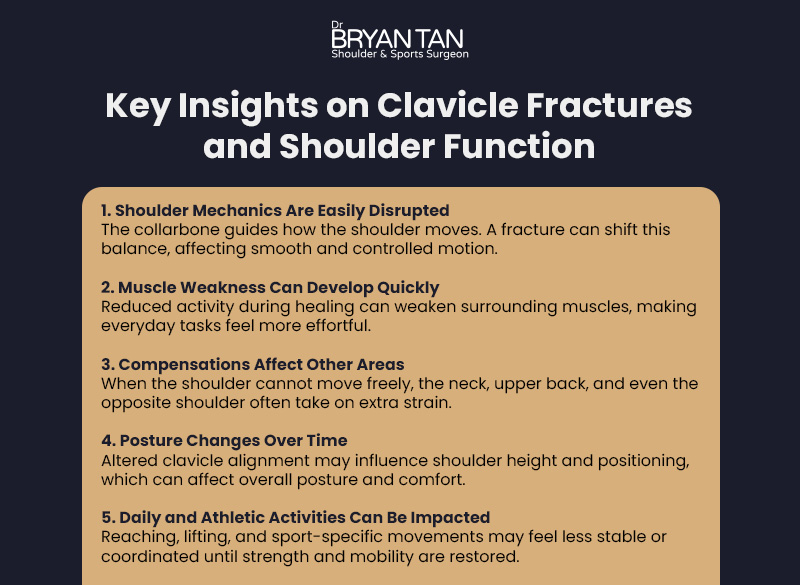
The clavicle helps keep the shoulder stable by positioning the scapula correctly. This alignment allows the arm to move smoothly, generate force, and coordinate complex movements. When the clavicle is fractured, this support is disrupted, and the biomechanics of the shoulder girdle can change. These changes explain much of the impact of clavicle fractures on shoulder movement, as the joint may no longer function with the same ease or stability even after the bone has healed.
A fractured clavicle often leads to:
- Altered movement patterns: Individuals may unknowingly adjust their arm movements to compensate for discomfort or weakness. These compensations can increase strain on nearby joints and soft tissues.
- Restricted range of motion: Depending on the healing pattern, some individuals notice ongoing stiffness or difficulty with overhead or cross-body movements.
- Loss of coordination: Changes in shoulder positioning can make controlled or forceful movements harder, especially during tasks that require precision or lifting.
If the bone heals in a suboptimal position, such as in malunion or nonunion cases, the contour of the collarbone may change. This can affect flexibility, contribute to discomfort, and limit the shoulder’s ability to move freely. Some individuals seek further assessment from a shoulder specialist when altered movement patterns persist or daily activities become challenging.
These long-term changes underscore the impact of clavicle fractures on shoulder coordination and stability, particularly when the bone heals in a position that alters the movement of the shoulder blade or the engagement of surrounding muscles during daily activities.
Long-Term Effects on Strength and Muscle Function
During recovery, the shoulder is often immobilised to protect the healing bone. Although this is necessary, limited movement can lead to weakness in key muscle groups such as the rotator cuff, deltoid, and chest muscles. Some of this weakness can persist even after the fracture has united, which reflects the broader impact of clavicle fractures on shoulder strength and endurance.
Other long-term effects include:
- Muscle atrophy: Reduced use of the shoulder and upper arm can lead to a noticeable decrease in strength and muscle bulk.
- Imbalance in muscle activation: If the clavicle heals in a slightly altered position, certain muscles may begin to overwork in compensation, resulting in ongoing tension or fatigue during everyday movements.
- Compensatory movements and secondary issues: When movement feels restricted, individuals often rely more heavily on other muscle groups. Over time, this may increase the likelihood of:
- Shoulder impingement symptoms
- Persistent tightness in the neck and upper back
- Discomfort in the opposite shoulder due to overuse
These effects highlight the importance of restoring balanced movement and rebuilding strength gradually. If weakness or persistent tension continues despite rehabilitation, a shoulder pain specialist can help assess whether the issue is related to muscle imbalance or changes in shoulder mechanics. Such patterns serve as a reminder of the lasting impact of clavicle fractures on shoulder function, extending well beyond the initial healing stage.
Influence on Posture and Everyday Activities
Changes in clavicle alignment can affect how the shoulder rests and moves. When the shoulder sits slightly lower or tilts forward, it can alter posture through the upper body. Over time, this may place added strain on the spine and contribute to stiffness in the neck or upper back. These postural shifts reflect part of the impact of clavicle fractures on shoulder mechanics during daily movement.
As a result, individuals may experience:
- Persistent discomfort during daily tasks: Activities such as lifting groceries, carrying bags, or reaching overhead may feel less stable or require more effort than before the injury.
- Reduced endurance: The shoulder may fatigue more quickly, particularly during repetitive tasks or activities that involve keeping the arm elevated.
- Impact on athletic performance: Swimming, weight training, overhead sports, and contact sports rely on coordinated shoulder movement. Regaining these patterns after a clavicle fracture often takes time and structured rehabilitation.
These long-term influences underscore the far-reaching impact of clavicle fractures on shoulder function, extending to posture, strength, and overall movement quality. When postural changes continue to affect comfort or alignment, consulting a shoulder orthopaedic surgeon may help determine whether the healing pattern is contributing to ongoing symptoms.
Management and Rehabilitation for Shoulder Functionality
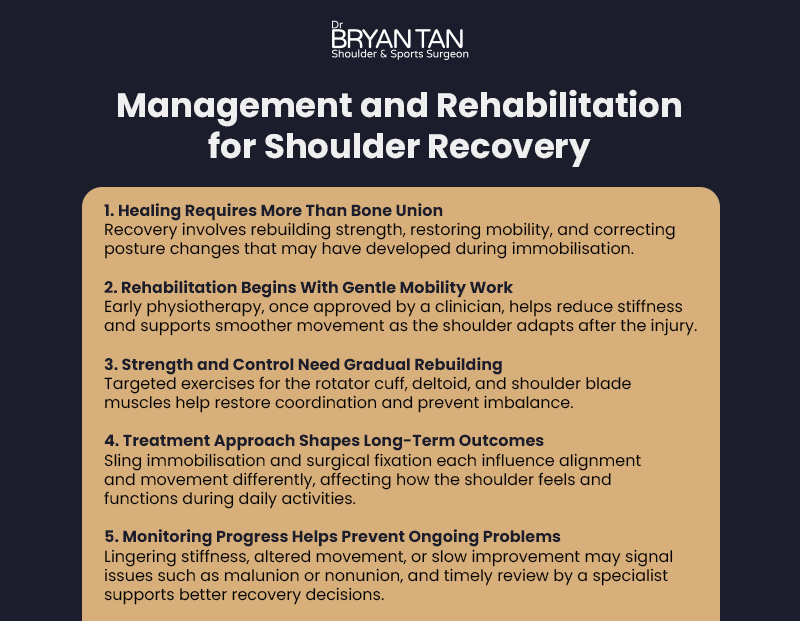
Management and rehabilitation play a crucial role in facilitating the shoulder’s recovery after a clavicle fracture. Healing involves more than the bone uniting. It includes rebuilding strength, improving mobility, and addressing any posture or movement changes that may have developed during the period of immobilisation. Understanding the different treatment approaches and their long-term implications can guide expectations and support a steady return to daily activities while managing the impact of clavicle fractures on shoulder function.
Rehabilitation and Physiotherapy: Restoring Strength and Mobility
Rehabilitation is an integral part of helping the shoulder regain strength and coordination after a clavicle fracture. Beginning post-fracture physiotherapy at the appropriate time, once cleared by a healthcare professional, can reduce the risk of prolonged stiffness and support a steadier recovery. A gradual and structured plan also helps improve shoulder biomechanics and supports better upper body mobility, both of which can be affected by the impact of clavicle fractures on shoulder function.
Key components of shoulder rehabilitation include:
- Range of motion exercises: Gentle movements such as pendulum swings, assisted stretches, and controlled arm lifts help restore joint flexibility and reduce tightness.
- Strength training: Progressive resistance exercises that target the deltoid, rotator cuff, and scapular stabilisers help rebuild strength and minimise imbalances that may contribute to discomfort.
- Postural correction techniques: Strengthening the back and shoulder muscles supports proper alignment and reduces unnecessary strain on surrounding structures.
- Monitoring for signs of improper healing: If movement remains limited despite regular rehabilitation, further assessment may be needed to rule out issues such as malunion, nonunion, or persistent soft tissue stiffness.
A personalised approach, guided by trained professionals, helps ensure rehabilitation progresses safely and addresses individual needs. Slow or limited improvement during recovery may be a sign to consult an ortho specialist in Singapore for a closer evaluation of healing and joint mobility.
Surgical vs Non Surgical Treatment: Long-Term Differences
The long-term impact of clavicle fractures on shoulder function can vary depending on whether the injury is managed with immobilisation or surgical stabilisation. Each approach influences alignment, strength, and mobility in distinct ways, and these differences often become more noticeable during clavicle fracture recovery as the shoulder gradually returns to everyday use.
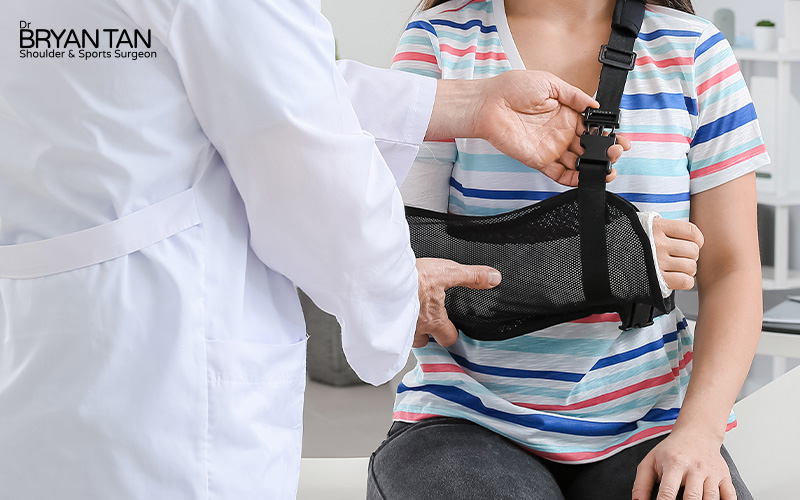
Non-surgical treatment (immobilisation with a sling):
- Commonly used for fractures that remain well aligned
- Relies on natural bone healing, although small changes in alignment can occur
- Possible long-term effects include mild weakness, subtle postural shifts, or discomfort during repetitive or overhead tasks
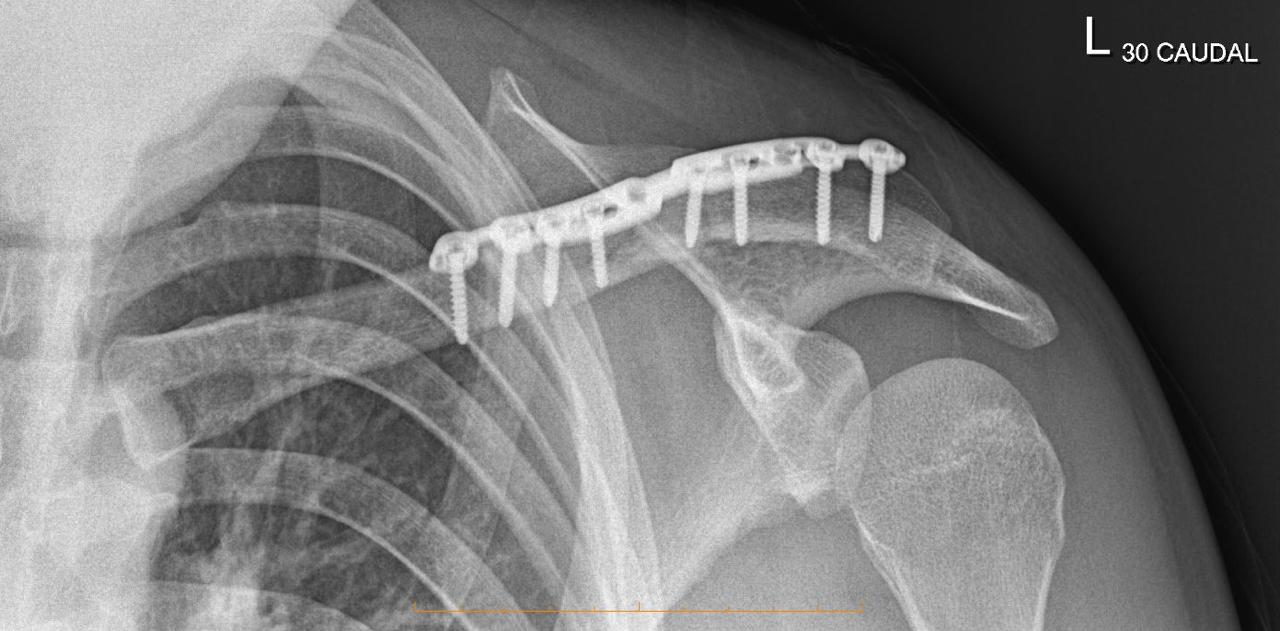
Surgical treatment (internal fixation with plates or screws):
- Often recommended for displaced or more complex fractures to improve alignment
- Provides stability during healing, reducing the likelihood of long-term functional issues caused by poor positioning
- Requires a structured period of recovery, and some individuals experience temporary stiffness while regaining movement
Possible complications that may influence shoulder function over time include:
- Malunion: If the bone heals in an altered position, the clavicle may shorten or change in shape, which can affect shoulder mechanics and contribute to discomfort or reduced mobility.
- Nonunion: When the bone does not fully heal, further treatment may be necessary to restore stability and support daily function.
- Residual pain or hardware-related discomfort: For some individuals, plates or screws may cause irritation, and removal may be considered after complete healing has occurred.
Understanding the impact of clavicle fractures on shoulder function across both treatment approaches helps set realistic expectations for recovery. When long-term limitations occur due to malunion or nonunion, an orthopaedic shoulder specialist can assess the situation and discuss appropriate management options.
Questions You Might Have
1. Can a clavicle fracture lead to chronic pain or arthritis?
A clavicle fracture can sometimes lead to long-term discomfort, especially if the bone heals in a way that changes shoulder alignment. These changes can influence joint loading over time and contribute to stiffness or, in some cases, the development of arthritis. The impact of clavicle fractures on shoulder alignment varies from person to person, and many individuals recover without lasting issues. Regular rehabilitation, good posture, and staying active can support joint comfort. If symptoms persist, a specialist can assess whether additional management is needed.
2. Will my shoulder always feel weaker after a clavicle fracture?
Weakness is common early in recovery due to reduced use of the arm. Strength often improves with consistent physiotherapy. If the clavicle heals slightly shorter or in a different alignment, you might notice minor differences in endurance or power. These differences are often manageable and do not interfere with daily tasks. The impact of clavicle fractures on shoulder strength can lessen over time with targeted exercises and a gradual return to activity.
3. Is it normal to feel occasional discomfort long after the fracture has healed?
Yes. Mild stiffness or discomfort may occur months or even years later, particularly during cold weather or after intense physical activity. This often reflects lingering changes in mobility or muscle balance that developed during the healing process. These symptoms are usually manageable with stretching, strengthening, and staying generally active. If discomfort persists, it may be related to the longer-term impact of clavicle fractures on shoulder movement patterns, and a clinical review can help clarify the cause.
4. Can I return to sports or weightlifting after a clavicle fracture?
Many individuals return to sports once strength and mobility have been restored. A gradual progression is important to avoid overloading the healing structures. Overhead sports, contact activities, and weightlifting often require extra attention to form and control. Ongoing issues may reflect the impact of clavicle fractures on shoulder coordination or stability. Individuals engaged in high-demand activities may benefit from guidance from a sports injury doctor when rebuilding confidence and strength after an injury.
Conclusion
Clavicle fractures can continue to influence shoulder strength, mobility, and overall function long after the initial injury, depending on the fracture pattern, treatment approach, and the pace of rehabilitation. Early physiotherapy helps restore movement, improve muscle balance, and reduce the likelihood of lingering stiffness or discomfort. These factors all shape the longer-term impact of clavicle fractures on shoulder function.
Appropriate management, whether surgical or non-surgical, supports steadier recovery. Monitoring for persistent stiffness, visible changes in alignment, or ongoing pain is essential, as these signs may indicate healing issues that require further assessment.
Most people regain comfortable use of the shoulder with time, although some may continue to notice weakness or reduced mobility. When these symptoms persist, professional guidance can help identify the underlying cause and outline suitable treatment options. Understanding the broader impact of clavicle fractures on shoulder recovery can also help set realistic expectations for the months that follow.
If you are experiencing ongoing discomfort or limited movement after a clavicle fracture, arrange an assessment with Dr Bryan Tan to understand your shoulder’s current condition and explore suitable recovery options.
Book a consultation today to take the next step toward improving comfort, mobility, and confidence in your daily activities.



 Dr Bryan Tan