


Key Takeaways
- Overuse and improper technique are common causes of elbow pain in athletes. Engaging in repetitive movements without proper form can strain the muscles and tendons, increasing the risk of injury.
- Strengthening the surrounding muscles can improve joint stability. Targeted exercises for the forearm, wrist, and upper arm help support the elbow and reduce excessive stress during physical activity.
- Rest and recovery play a crucial role in preventing long-term damage. Allowing adequate time for healing, incorporating stretching, and using ice or heat therapy can aid in maintaining joint health.
- Seeking professional care is vital for persistent or severe pain. If discomfort does not improve with rest, or if the joint feels unstable or restricted, consulting a specialist can help determine the best course of treatment.
Understanding Elbow Injuries in Sports
Athletes who engage in repetitive arm movements, heavy lifting, or high-impact sports often experience elbow injuries. The strain placed on the joint can lead to discomfort, affect performance, and, if left unaddressed, result in long-term issues. Whether you are a professional athlete or someone who enjoys staying active, understanding how these injuries develop and taking preventive measures can help maintain mobility, strength, and overall joint health.
What Are the Most Common Elbow Injuries in Athletes?
Athletes often develop elbow injuries due to repeated strain, improper technique, or excessive force. Some of the most common injuries include:
- Tennis elbow (lateral epicondylitis) and golfer’s elbow (medial epicondylitis): Repetitive stress on the forearm tendons can cause pain and tenderness on the outer or inner side of the elbow.
- Ligament strains and sprains: High-impact movements or heavy lifting may overstretch the ligaments, leading to discomfort and reduced stability.
- Elbow dislocations: A sudden impact or fall can shift the joint out of place, affecting movement and causing significant pain.
Recognising these injuries early and managing them properly can help prevent long-term issues.
How Can Proper Technique Help Prevent Elbow Injuries?

Using the right technique during sports and exercise plays a key role in reducing the risk of elbow injuries. Poor form can place excessive strain on the joint, increasing the likelihood of discomfort and long-term issues. Key considerations include:
- Ensuring proper mechanics in throwing and swinging sports: Activities like tennis, baseball, and golf require proper technique, which helps distribute force evenly across the arm and shoulder. Poor mechanics can overload the elbow, leading to strain over time.
- Adopting correct lifting posture: In weightlifting and strength training, keeping the wrists aligned and avoiding excessive elbow bending reduces unnecessary pressure on the joint.
Athletes looking to refine their technique can benefit from guidance by a coach or a sports injury doctor in Singapore, especially if they experience recurring discomfort or reduced mobility.
Why Are Strengthening Exercises Important for Elbow Health?
Strengthening the muscles around the elbow helps stabilise the joint and manage the stress placed on it during physical activity. A well-conditioned arm is better able to absorb force, reducing the likelihood of injuries from repetitive movements or strain.
- Forearm and wrist strengthening: Wrist curls, grip exercises, and resistance band training improve muscle endurance and control.
- Eccentric exercises for tendon health: Gradually lengthening muscles, such as through eccentric wrist extensions, helps reduce strain on the tendons and may lower the risk of overuse injuries.
- Upper arm conditioning: Strengthening the biceps, triceps, and shoulders provides additional support for the elbow, helping to distribute force more effectively.
Incorporating these exercises into a regular routine can improve resilience and help protect the elbow from excessive stress during sports and training.
How Does Rest and Recovery Support Injury Prevention?
Overuse is a common cause of elbow injuries, especially in athletes who engage in repetitive movements. Allowing the body adequate time to recover helps maintain joint health and reduces the risk of long-term strain.
- Incorporating rest periods: Taking breaks between training sessions helps tissues recover and prevents excessive strain.
- Stretching and mobility exercises: Gentle stretching improves flexibility and reduces stiffness in the elbow joint.
- Applying ice or heat therapy: Ice can help manage inflammation after activity, while heat promotes circulation and supports recovery.
Paying attention to early signs of discomfort and adjusting training intensity as needed can help prevent minor issues from developing into more serious injuries.
When Should You Seek Medical Attention for an Elbow Injury?
While minor discomfort can often be managed with rest and self-care, persistent pain or limited movement may indicate a more serious issue. It may be time to seek professional advice if:
- Pain does not improve despite rest and treatment.
- There is noticeable swelling, weakness, or a feeling of instability in the elbow.
- The joint feels locked or movement is restricted.
- A sudden injury results in significant pain or an obvious deformity.
More severe cases, such as fractures or dislocations, often require immediate medical attention. Consulting an orthopaedic doctor can help determine the most appropriate treatment to support 
Conclusion
Elbow injuries can disrupt training and performance, but with the right approach, they do not have to lead to long-term limitations. Paying attention to technique, building strength in the surrounding muscles, and allowing adequate recovery can help protect the elbow joint and reduce the risk of further strain. Taking proactive steps towards injury prevention and management will enable athletes to stay active and perform optimally.
If you are experiencing ongoing elbow pain or need guidance on managing a sports-related injury, Dr Bryan Tan provides specialised care in sports orthopaedics in Singapore. Whether you require an assessment, treatment options, or a structured rehabilitation plan, he offers personalised solutions to support your recovery.
Book a consultation today to explore the next steps toward restoring movement and maintaining long-term elbow health.
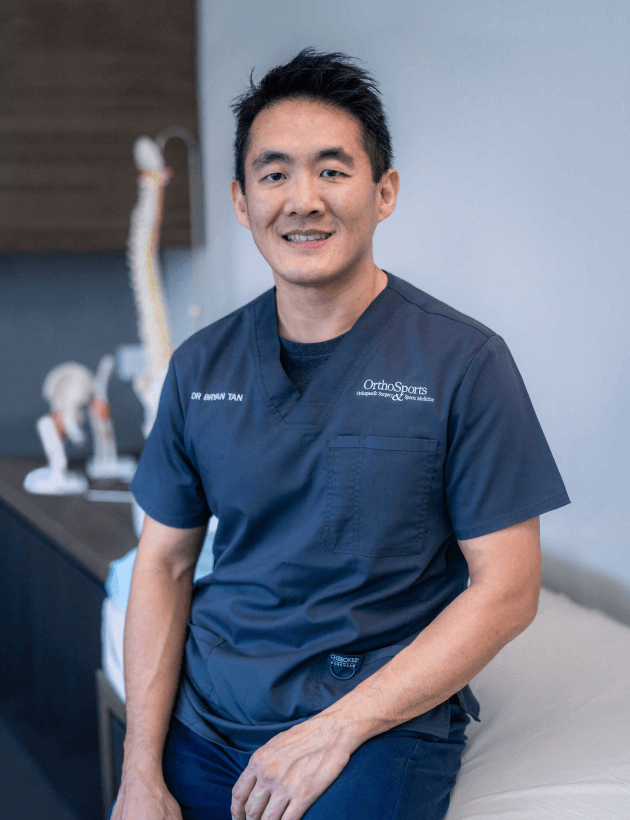


 Dr Bryan Tan