


Key Takeaways
- Osteoarthritis of the knee is a common condition that causes pain, stiffness, and swelling, often due to cartilage breakdown. While it cannot be reversed, symptoms can be managed effectively.
- Non-surgical treatments such as physical therapy, medication, and weight management can help reduce pain and improve knee function.
- Staying active with low-impact exercises like swimming, cycling, and walking can support joint health and maintain mobility without worsening symptoms.
- If pain becomes severe and daily activities are affected, surgical options may be considered, with guidance from an orthopaedic surgeon to determine the best approach.
Understanding Osteoarthritis of the Knee and Its Impact
Knee osteoarthritis is a common condition that develops as the protective cartilage in the joint gradually wears down. This can lead to pain, stiffness, and swelling, making movement more challenging over time. Factors such as previous injuries, excess weight, and genetic predisposition may increase the risk. While the condition cannot be reversed, various strategies can help manage symptoms, reduce discomfort, and support an active lifestyle.
What Are the Non-Surgical Treatment Options for Osteoarthritis of the Knee?
Knee osteoarthritis can often be managed without surgery, with treatments aimed at reducing pain and maintaining mobility. Some options include:
- Physical therapy: Strengthening the muscles around the knee can improve joint stability and reduce strain. A physiotherapist can recommend exercises suited to individual needs.
- Medications: Anti-inflammatory drugs or topical treatments may help relieve discomfort. It is important to seek medical advice before starting any medication.
- Weight management: Carrying excess weight places additional stress on the knee joint. Even a slight reduction in weight can help ease symptoms and slow disease progression.
Why Is Exercise Important for Managing the Condition?
Regular movement plays a vital role in maintaining joint function and reducing discomfort. Low-impact activities are often recommended as they promote mobility without placing excessive strain on the knee. Some beneficial options include:
- Swimming: Water-based exercises reduce stress on the joints while providing gentle resistance to strengthen muscles.
- Cycling: Helps maintain knee flexibility and build strength without excessive impact.
- Walking: Brisk walking on even surfaces supports joint mobility and improves circulation.
Staying active can also help with weight management, reducing pressure on the knee joint and slowing the progression of symptoms.
How Can Assistive Devices and Supportive Measures Help?
Certain aids and adjustments can make daily movement more manageable for individuals with knee osteoarthritis. Some useful options include:
- Knee braces: These can offer additional support and help reduce strain on the affected joint.
- Orthotics and shoe inserts: Well-fitted footwear and customised inserts may improve alignment and ease discomfort.
- Ice or heat therapy: Applying cold packs can help with swelling, while heat therapy may relieve stiffness and support mobility.
Incorporating these measures into daily routines can help improve comfort and make movement easier.
When Should Surgery Be Considered?
If pain becomes severe and begins to affect daily activities, surgical treatment may be considered. Procedures such as knee arthroscopy, osteotomy, or knee replacement may be recommended based on the extent of joint damage. Consulting an osteoarthritis doctor can help assess the condition, determine whether surgery is appropriate, and explore the most suitable approach for long-term management.

Managing Osteoarthritis and Staying Active
Living with knee osteoarthritis does not mean giving up movement or daily activities. A combination of non-surgical treatments, weight management, and regular exercise can help manage symptoms and support joint function. Making adjustments to daily routines and seeking appropriate care can also improve comfort. If the pain persists or worsens, consulting a professional specialising in arthritis treatment in Singapore can provide guidance on suitable options.
For those in Singapore experiencing knee pain, consulting an orthopaedic specialist can provide clarity on treatment options and strategies to stay active despite osteoarthritis. Dr Bryan Tan offers comprehensive care in orthopaedics and sports injuries, helping individuals manage knee osteoarthritis with personalised treatment plans.
To learn more or schedule a consultation, reach out today.
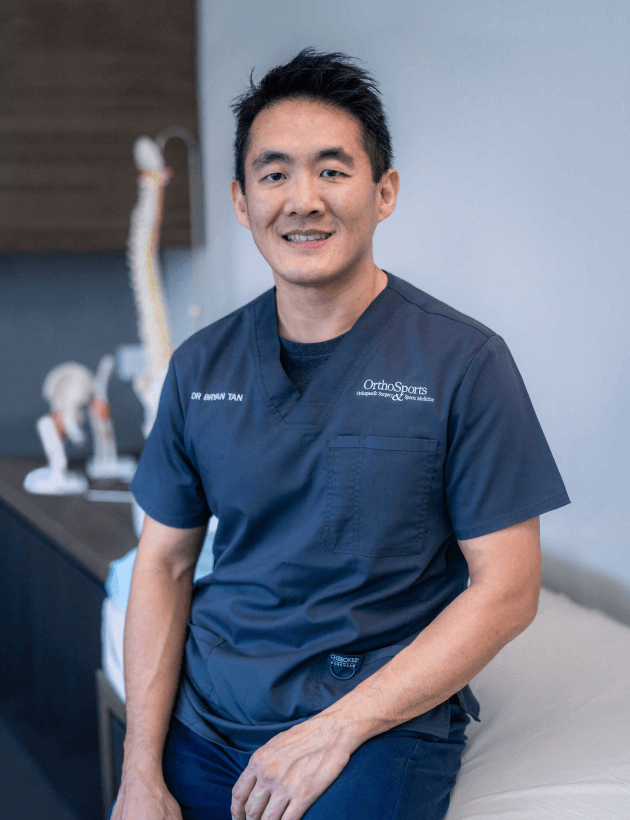


 Dr Bryan Tan