

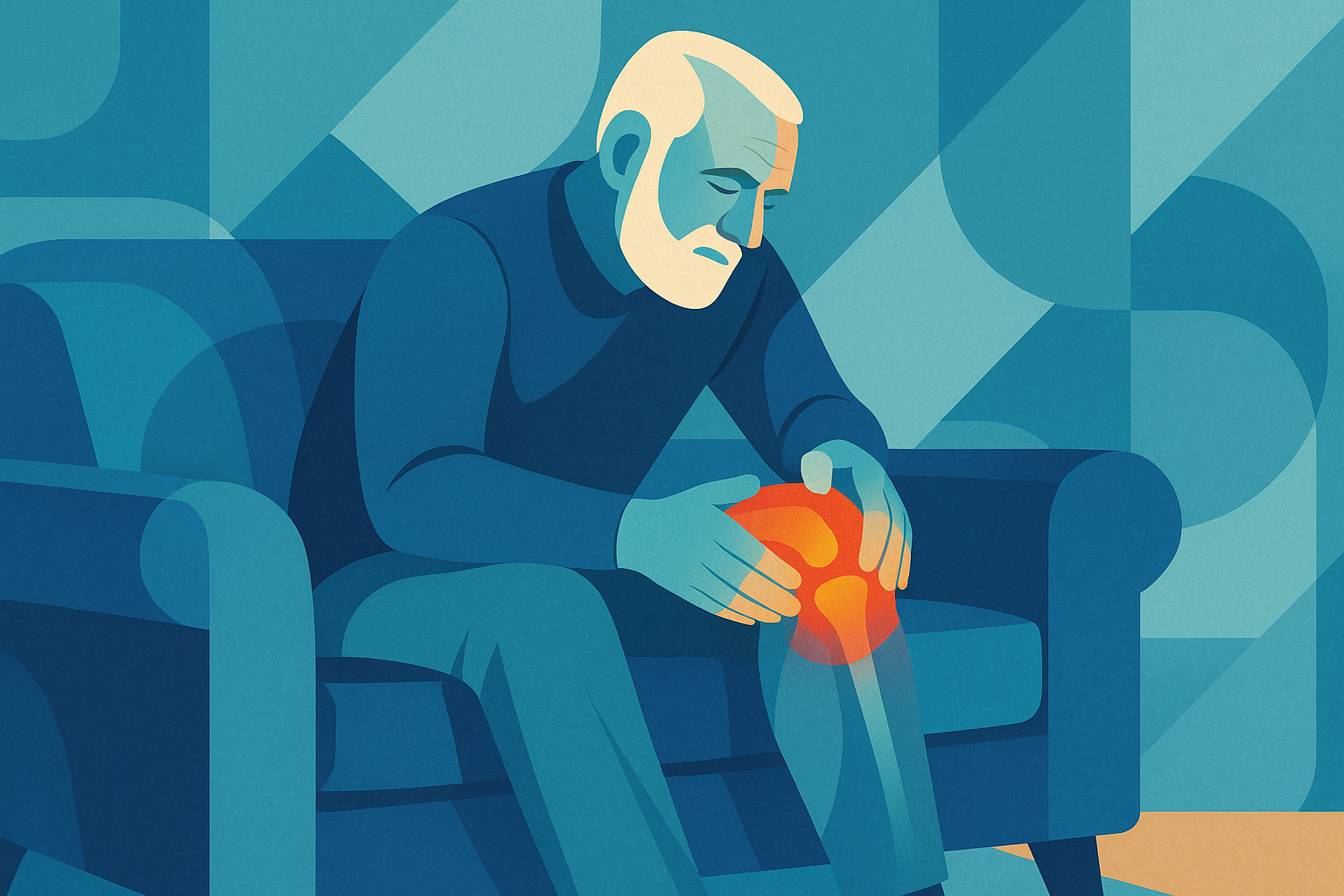
Key Takeaways
1. Excess weight increases joint stress
The knees bear several times the body’s weight, and added pressure can accelerate wear and tear.
2. Obesity is linked to higher inflammation
Increased body fat can contribute to joint discomfort and conditions like osteoarthritis.
3. Knee osteoarthritis risk rises with weight gain
Excess weight speeds up cartilage breakdown, leading to pain, stiffness, and reduced mobility.
4. Maintaining a healthy weight protects your joints
A balanced diet, regular exercise, and muscle strengthening help support knee health and movement.
Introduction
Your joints, especially your knees, bear much of your body’s weight. When that weight increases, the pressure on these joints rises, adding strain that can lead to discomfort, inflammation, and long-term wear. Over time, this can affect mobility and make daily activities more challenging. Recognising how weight impacts joint health allows you to take steps to protect your knees, reduce strain, and maintain movement for the long term.
How Does Excess Weight Affect Joint Stress?
The more weight your body carries, the greater the strain on weight-bearing joints like the knees. With each step, the knees absorb several times the body’s weight. Research suggests that for every additional kilogram, the pressure on the knees increases by around four times. Over time, this repeated stress can accelerate the breakdown of joint structures, making discomfort more likely and gradually affecting mobility and overall joint function.
What Is the Connection Between Obesity and Joint Pain?
Obesity is associated with higher levels of inflammation in the body, which can contribute to joint discomfort. Fat cells release substances that promote inflammation, potentially affecting the cartilage that helps joints move smoothly. Excess weight also places additional strain on the muscles, tendons, and ligaments that support the joints, making movement more difficult. Over time, these combined effects can increase the likelihood of joint-related conditions that impact mobility and daily activities.
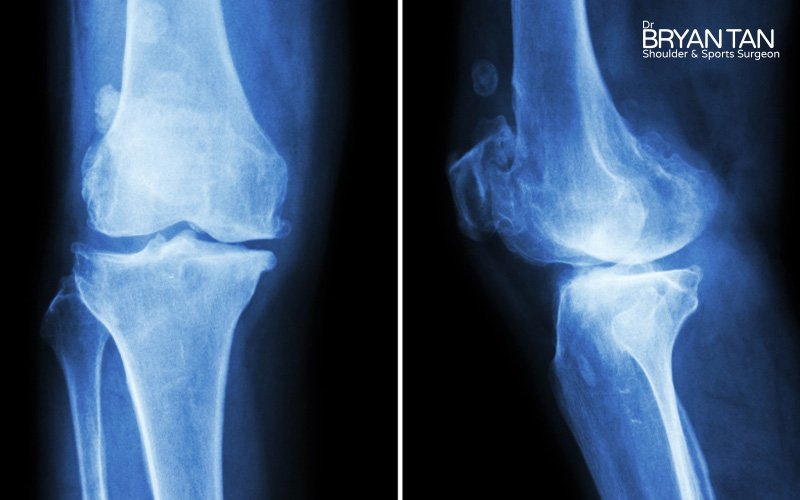
How Does Excess Weight Increase the Risk of Osteoarthritis in the Knees?
Osteoarthritis affects the protective cartilage in joints, leading to stiffness and discomfort. Research suggests that excess weight can accelerate cartilage wear in the knees, reducing the cushioning needed for smooth movement. As the cartilage thins, bones may begin to rub against each other, limiting flexibility and making movement more challenging. Without proper management, daily activities such as walking, climbing stairs, or standing for long periods may become more difficult. Consulting an osteoarthritis doctor can provide guidance on managing joint strain and maintaining mobility.
How Can You Protect Your Knees?
Managing weight effectively can help reduce stress on the joints, particularly the knees. A balanced diet and regular physical activity not only support joint health but also contribute to overall well-being. Strengthening the muscles around the knees, including the quadriceps and hamstrings, can improve stability and provide additional support. Low-impact exercises such as swimming, cycling, and resistance training can build strength without putting excessive strain on the joints. For those experiencing persistent discomfort, consulting a knee pain doctor in Singapore can offer guidance on managing joint health and movement.

Conclusion
Weight has a direct impact on joint health, particularly in the knees, which bear much of the body’s load. Carrying excess weight increases pressure on these joints, raising the likelihood of discomfort and contributing to conditions like osteoarthritis. Maintaining a balanced weight and strengthening the muscles around the knees can help reduce strain and support mobility over time.
If you are experiencing ongoing knee discomfort or mobility challenges, speaking with a specialist can provide clarity and tailored options for managing your joint health. Dr Bryan Tan, an ortho specialist in Singapore, offers comprehensive care for knee and musculoskeletal conditions, helping patients navigate their symptoms and improve movement.
Visit Dr Bryan’s clinic today to explore ways to support your joint health and maintain an active lifestyle.



 Dr Bryan Tan