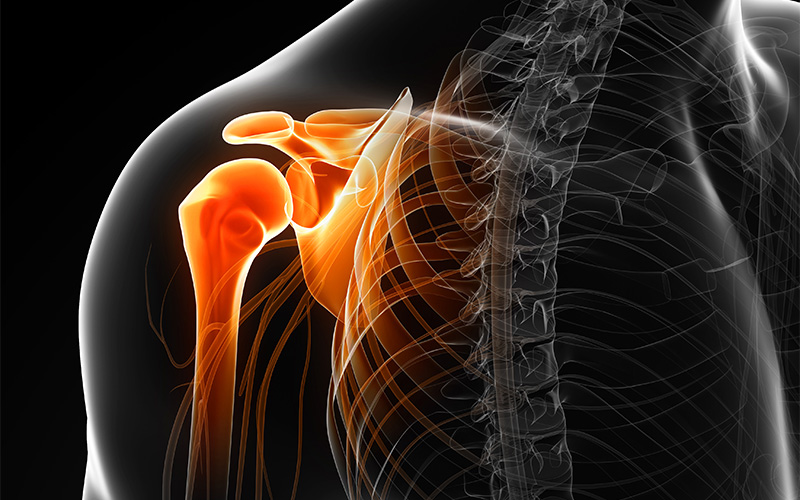
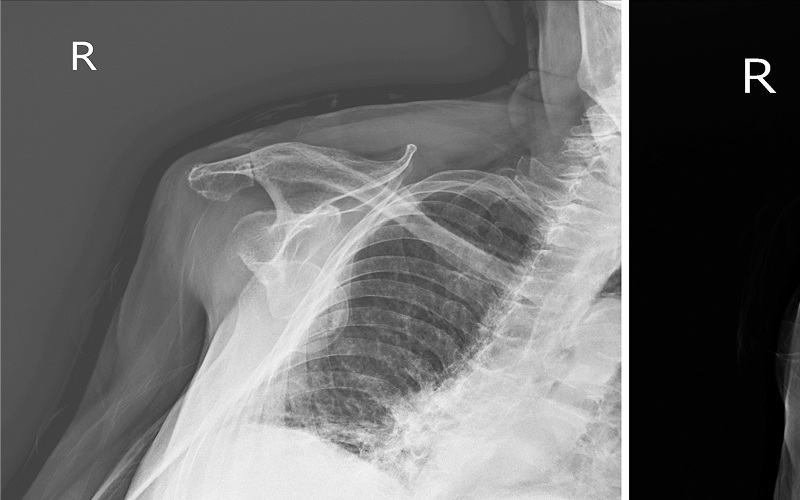
X-ray scan showing a patient with a dislocated shoulder.
Repeated shoulder dislocation indicates underlying instability that can progress over time. This article explores why recurrence occurs, when surgery may be considered, and how different procedures address soft-tissue and bone-related issues. It also outlines recovery phases and longer-term joint considerations, helping you understand how treatment decisions are made based on your condition and activity demands.

Sport Blogs

Calcium deposits in the shoulder can lead to sudden pain or gradual discomfort, depending on the stage of progression. This article explains how calcific tendinitis develops, why many cases improve without surgery, and when procedures such as barbotage or arthroscopic removal may be considered, based on symptom persistence, functional limitation, and response to initial conservative treatment.
A labral tear can affect both the shoulder and the hips, often starting with subtle symptoms that are easy to overlook. From deep joint pain to clicking or instability, these signs may point to changes within the joint rather than muscle strain. Understanding how these symptoms behave can help determine when further assessment may be required.
A torn meniscus may still allow movement, but continuing to play sports can place additional stress on the knee joint over time. This guide explains how different tear types behave, the risks of continued activity, expected recovery timelines, and when symptoms such as locking, swelling, or instability may require further assessment before safely returning to sports without worsening the injury.