X-ray scan showing a patient with a dislocated shoulder.
Repeated shoulder dislocation indicates underlying instability that can progress over time. This article explores why recurrence occurs, when surgery may be considered, and how different procedures address soft-tissue and bone-related issues. It also outlines recovery phases and longer-term joint considerations, helping you understand how treatment decisions are made based on your condition and activity demands.

Sport Blogs

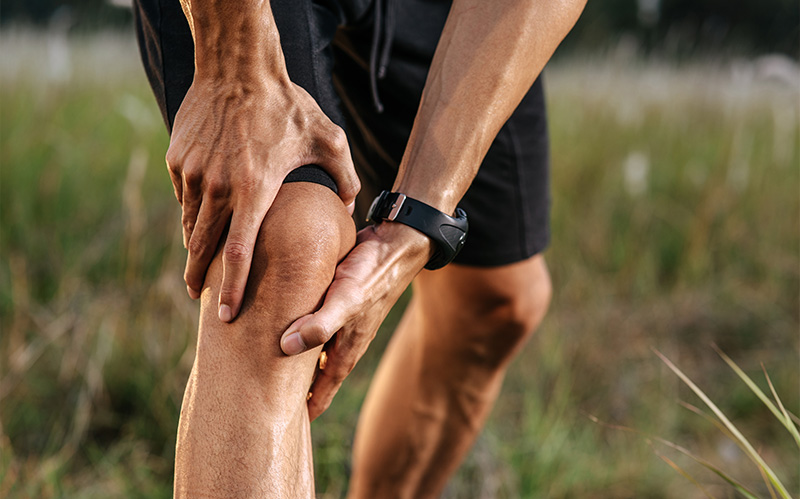
Knee pain can affect training, performance, and recovery, particularly when the symptoms persist despite rest and rehabilitation. In some cases, knee injections may be considered to manage inflammation or support ongoing treatment. This article outlines the types of injections used, how they fit into a broader recovery plan, and what athletes should understand before considering them.
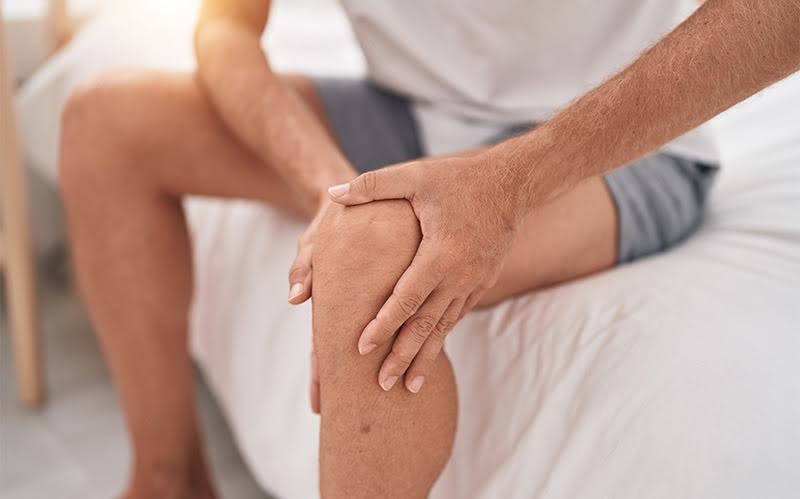
Loose bodies in the knee are fragments of bone or cartilage that break away from the joint surface, causing sudden locking, catching, and mechanical knee pain. Learn what causes them, how they are diagnosed, and what treatment options are available, from physiotherapy to arthroscopic knee surgery, and when to seek a specialist assessment in Singapore.
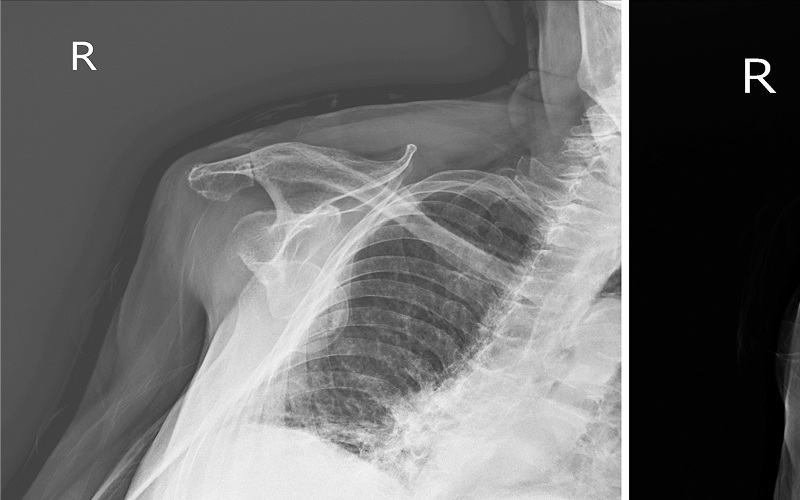
Explore the impact of clavicle fractures on shoulder function and how these injuries can influence strength, mobility, and posture over time. This guide explains common long-term changes, factors that affect recovery, and the role of rehabilitation in restoring movement. It also highlights when to seek professional support if discomfort or weakness persists after the healing process. Gain insight into managing shoulder function following a collarbone injury.